
The architecture of profit: Golf course designers share what makes courses fun, profitable and long-lasting
Great golf courses rarely come from a single idea or a perfect set of plans. They evolve through experience, collaboration and hard-earned lessons learned in the field.
For owners and operators, those lessons matter. Every design decision affects how a course plays, how it performs financially and how well it serves golfers over time. The most successful projects balance creativity with practicality, delivering an experience that is enjoyable to play, efficient to maintain and aligned with the long-term goals of the facility.
Over the course of their careers, leading golf course architects have seen what works and what doesn’t. They have learned that fun often matters more than difficulty, character of the land should guide the design, and sustainability is as much about budgets and operations as it is about environmental stewardship. They have also seen how strong collaboration, clear vision and the right team can shape outcomes long after construction begins.
Today’s golfers bring new expectations as well. They want courses that are engaging without being punishing, memorable without being excessive and welcoming to a wide range of abilities. At the same time, owners are focused on asset value, maintenance efficiency and projects that deliver measurable returns.
To capture the insights behind great design, Golf Inc. asked respected architects in the industry to share the lessons that have stayed with them over the years. Their responses reflect decades of experience across private clubs, resorts, public facilities and renovations of every scale.
Together, these perspectives offer practical guidance for anyone planning improvements or thinking about the future of their facility. At their core, the lessons point to a simple truth: The best golf design serves both the game and the business that supports it.
Bruce Charlton
President
Robert Trent Jones II Golf Course Architects
Lesson one: Early in my career, I learned the importance of the architect/shaper relationship. We can draw plans till we’re blue in the face, but it’s the shapers who bring it to life. If you haven’t worked with a shaper, or if you have but you’re going for a different look, playability or style this time, there’s always what I call “the three-hole learning curve.” It takes about three holes for everyone to get on the same page and understand that this is what we’re after. (It takes about three holes for the client to get on that page too.) Then, when working with a shaper and they do something just right, I like to say, “Give me more of that. Whatever you did to accomplish that, keep doing it.”
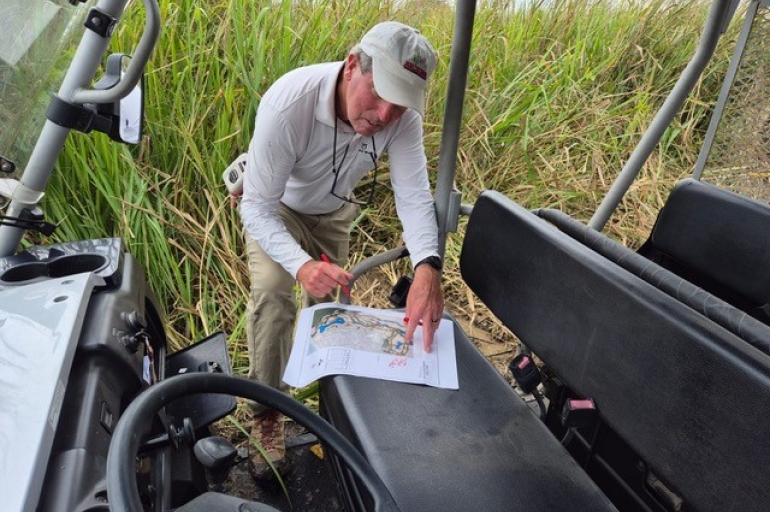
Lesson two: Never fall in love with your drawings. We put something on paper and conceptualize green sketches, but sometimes you get out in the field and for whatever reason — winds, contours, drainage — you have to say, “You know what? That doesn’t work.” You have to adjust to the site conditions, and sometimes you have to adjust to the client. Drawings are a good start, but it has to work in the field.
Finally, when people ask what is my most important tool as a golf architect, I point to my two ears. I need to listen to what everyone is saying, feeling and hearing. One of the most important things to listen to is who is going to use the course. Have the ability to listen and don’t block out comments as you get them.